

Service Menu
Quick Links
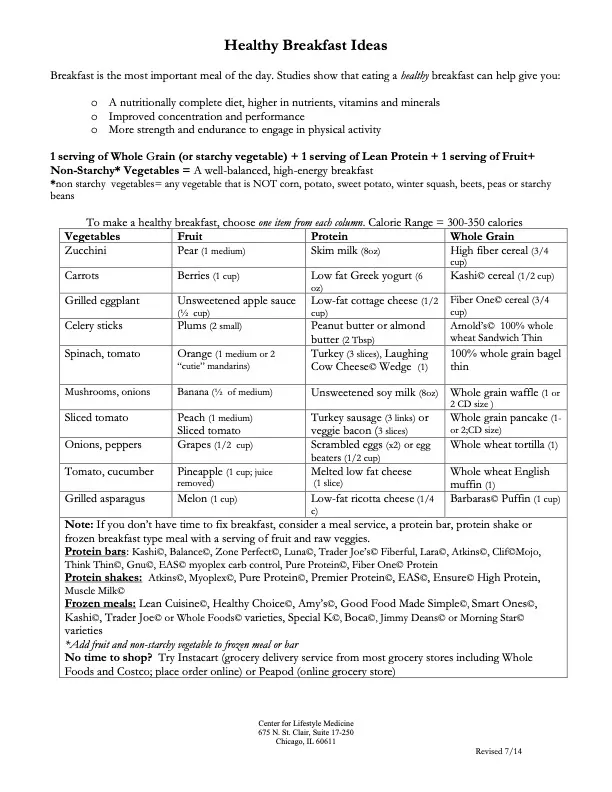
A healthy meal plan is essential for maintaining optimal health and wellness. It helps individuals achieve their nutritional goals, manage their weight, and reduce the risk of chronic diseases. By incorporating a variety of nutrient-dense foods, meal plans can enhance energy levels and improve overall well-being.
For example, a balanced meal plan that includes fruits, vegetables, whole grains, and lean proteins can provide the necessary vitamins and minerals that support bodily functions. Studies have shown that individuals who follow structured meal plans are more likely to stick to healthy eating habits, leading to long-term health benefits.
Creating a personalized meal plan can be a straightforward process that caters to individual dietary needs and preferences. Start by assessing your nutritional requirements based on factors such as age, activity level, and health goals. This will guide you in selecting the right foods and portion sizes.
Additionally, consider using resources like meal planning apps or templates that help organize your meals for the week. Incorporating a variety of recipes can keep your diet interesting and enjoyable, ensuring you're more likely to stick to your plan. For instance, planning meals around seasonal produce can not only enhance flavor but also promote sustainability.
Healthy snacks play a crucial role in maintaining energy levels and preventing overeating during meals. Incorporating nutritious snacks into your diet can help bridge the gap between meals and provide essential nutrients. Options like nuts, yogurt, or fruit can be both satisfying and beneficial for your health.
For example, a handful of almonds can provide healthy fats and protein, while Greek yogurt can offer probiotics and calcium. Preparing snacks in advance can make it easier to choose healthier options when hunger strikes, ultimately supporting your overall meal plan.
When embarking on a meal planning journey, it's important to be aware of common pitfalls that can derail your efforts. One of the most frequent mistakes is not accounting for personal preferences or dietary restrictions, which can lead to frustration and abandonment of the plan.
Another common error is failing to prepare for unexpected events, such as social gatherings or busy days. Having a flexible plan that includes quick and easy meal options can help you stay on track. For instance, batch cooking and freezing meals can save time and ensure you always have healthy options available, even during hectic weeks.