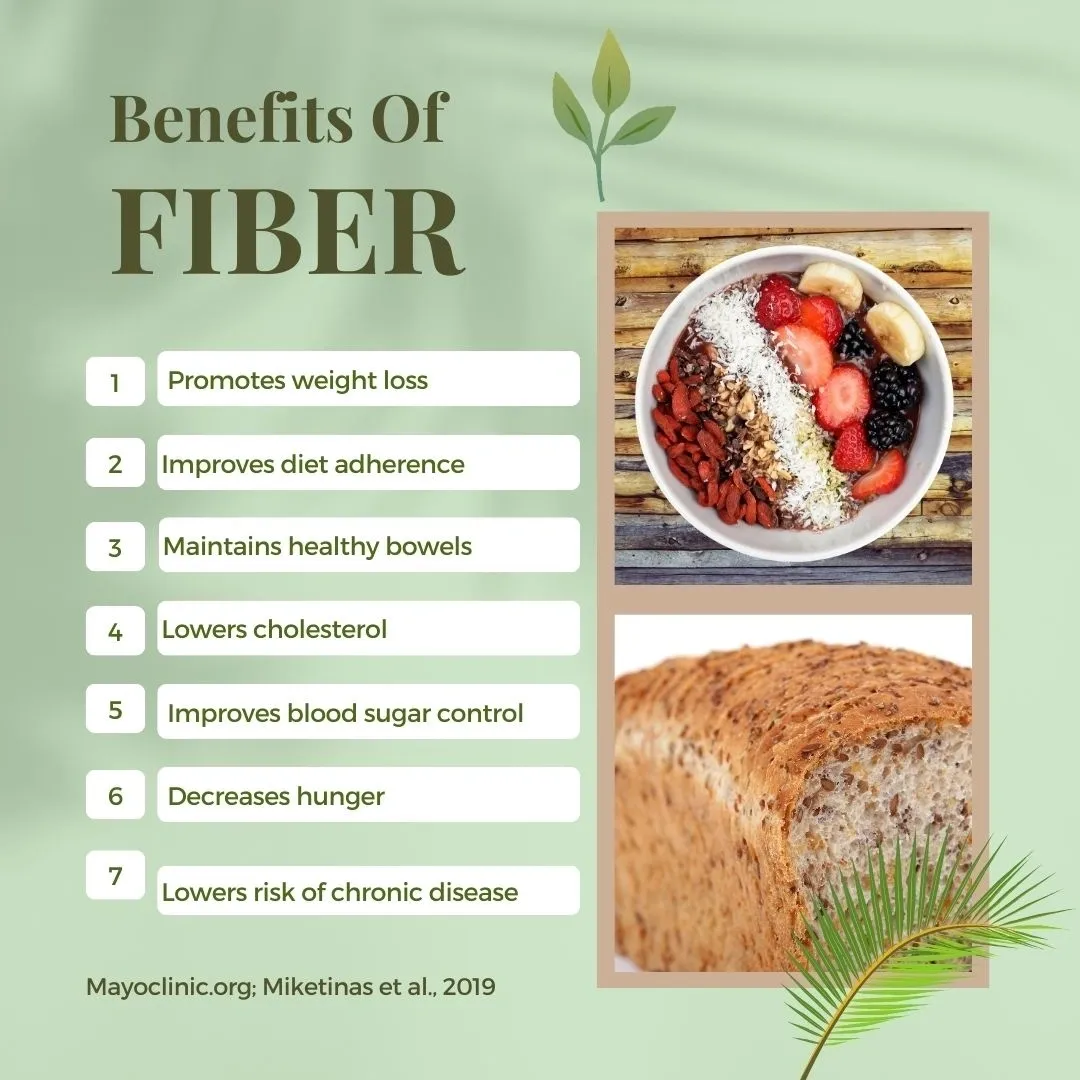
The Role of Fiber in Appetite Control
Fiber plays a crucial role in appetite regulation, helping individuals feel fuller for longer periods. This satiety effect is particularly beneficial for those looking to manage their weight, as it can reduce the likelihood of overeating and snacking between meals.
Research indicates that high-fiber foods, such as fruits, vegetables, and whole grains, can significantly contribute to a feeling of fullness. By incorporating these foods into daily meals, individuals can effectively control their caloric intake while still enjoying a variety of flavors and textures.
Types of Dietary Fiber and Their Benefits
Dietary fiber is categorized into two main types: soluble and insoluble, each offering unique health benefits. Soluble fiber, found in foods like oats and beans, helps lower cholesterol levels and stabilize blood sugar, while insoluble fiber, present in whole grains and vegetables, aids in digestive health by promoting regular bowel movements.
Incorporating a mix of both types of fiber into the diet can enhance overall well-being. For instance, a diet rich in soluble fiber can help those managing diabetes or heart health, while insoluble fiber can alleviate constipation and improve gut health.
How to Incorporate More Fiber into Your Diet
Increasing fiber intake can be simple and enjoyable with a few strategic dietary changes. Start by gradually adding high-fiber foods to your meals, such as swapping white bread for whole grain, adding beans to salads, or snacking on fruits and nuts instead of processed snacks.
Additionally, consider using fiber supplements like psyllium husk if dietary changes alone are insufficient. These supplements can help individuals meet their daily fiber goals, especially for those who have difficulty consuming enough fiber-rich foods due to busy lifestyles or dietary restrictions.
Potential Side Effects of Fiber Supplementation
While fiber supplementation can be beneficial, it may also lead to some side effects if not introduced properly. Common issues include bloating, gas, and abdominal discomfort, particularly if fiber intake is increased too quickly.
To minimize these side effects, it's essential to increase fiber intake gradually and ensure adequate hydration. Drinking plenty of water can help the body adjust to higher fiber levels and improve overall digestive health, making the transition smoother.